
Most people who ask this already want one of the two and are hoping to be told it is the right choice. The awkward part — more so in a language that is not your first — is that the honest answer is not about your teeth. It is about how often you can reach a clinic over the next two years, and whether you are the sort of person who puts a thing back in after lunch.
What is the actual difference between the two appliances?
Four differences matter in practice.
- Who controls the wear. Fixed braces are bonded on and work whether the patient cooperates or not. Aligners work only during the hours they are in the mouth.
- How the plan is made. With braces the wire is adjusted by hand at each visit, so the plan can change as the teeth respond. With aligners the whole sequence is planned digitally before the first tray is made, and the predicted end position can be seen at the start.
- What goes wrong day to day. Brackets come loose and wire ends catch the cheek. Aligners have neither; what they have instead is trays left in a napkin at a restaurant.
- Eating and cleaning. Aligners come out for meals and brushing, so hygiene is done on bare teeth. With braces, brushing is done around brackets and wires for the whole of treatment.
One question is worth asking any clinic that proposes aligners: which system the trays come from, and whether the plan is generated in that manufacturer’s own software. A predicted outcome belongs to the system that produced it.
Where clear aligners suit
Aligners work well where the movement required is modest and localised — a rotated front tooth, mild crowding, one tooth sitting out of the arch line. They are also used for larger corrections including extraction cases, where the planning becomes correspondingly more demanding.
Two groups suit them for reasons unrelated to their teeth: adults who cannot appear at work in visible appliances, and people who cannot attend a clinic often. Trays are issued several sets at a time, so the interval between chair visits can be stretched — which is why students abroad, people on military service and foreign residents who travel for work end up in this group. Every one of those advantages is conditional on the wear hours, set out two sections below.
Where fixed braces suit
Fixed braces suit any situation in which daily cooperation cannot be relied on — not a judgement about character, but about circumstances. Younger patients, patients whose routine is unpredictable, and patients who already know they will not keep something in for 20 hours a day.
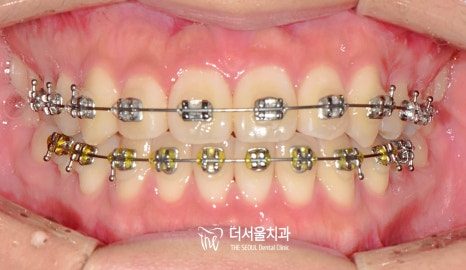
They also suit cases where the plan is likely to need repeated revision as the teeth move, and cases that have stalled in aligners. Switching appliance partway through is a normal decision rather than a failure, and it is what happened here.
How many hours a day do aligners have to be worn?
20 to 22 hours out of 24 — everything except meals and brushing. Each tray is worn for a set number of days before the next in the series is started, and the series is what walks the teeth along the planned path.
Falling short of that does not produce a slower version of the result. It produces a tray that no longer seats, because the teeth are not where the plan assumed they would be. At that point treatment either steps back a tray or the case is rescanned and re-planned.
What happens when the aligners are not worn?
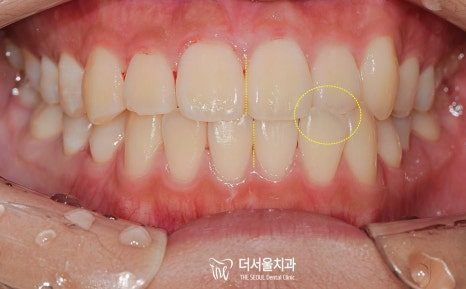
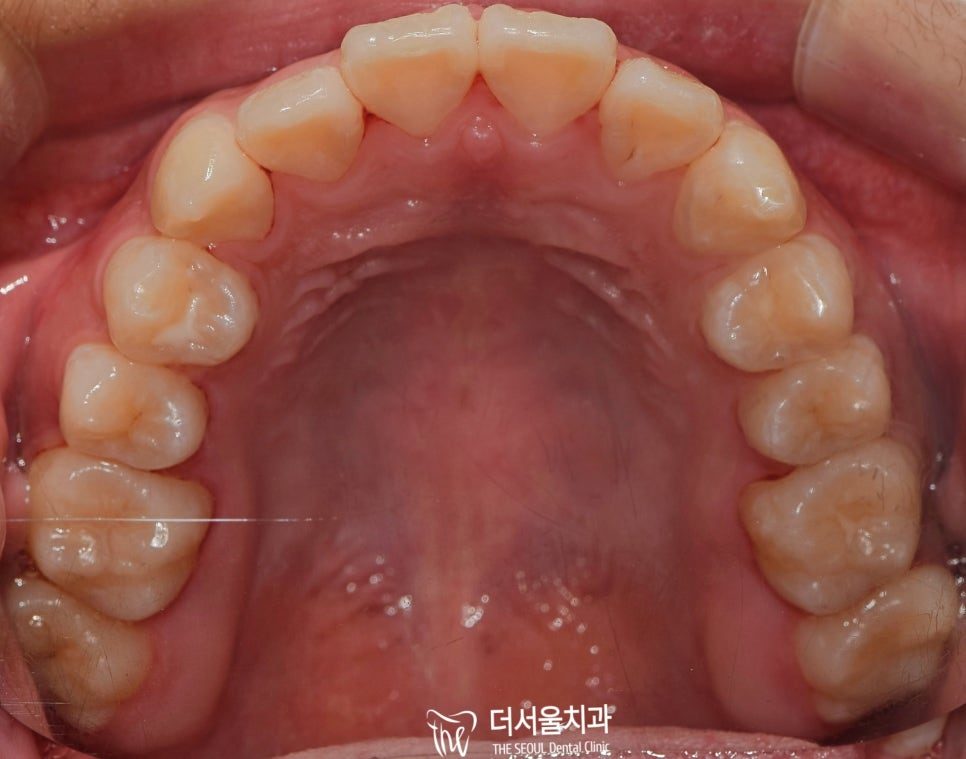
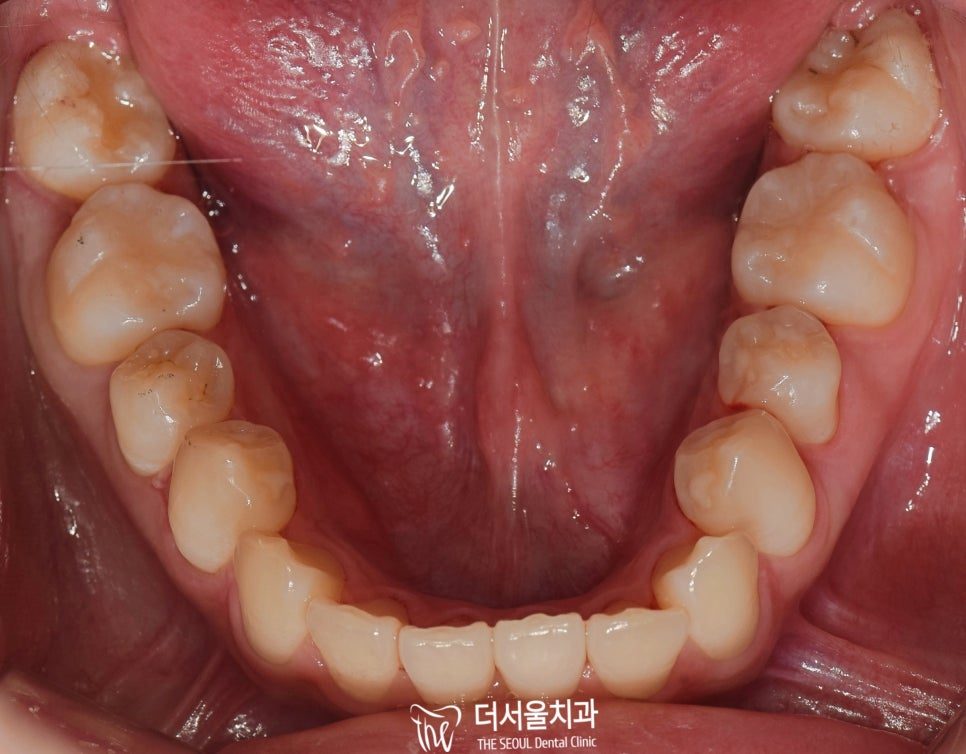
The case behind this article was a mild one: an upper front tooth rotated to one side, and one tooth meeting its opposite the wrong way round in a localised crossbite. The movement needed was small, so a limited aligner tier was appropriate rather than a full-length plan. The digital plan came out at 140 days — a little under five months.
Wear was good for the first few weeks, then tailed off, and appointments were missed. Several months later the teeth had not moved — not part of the way, but effectively not at all, because for most of that period no force was reaching them.
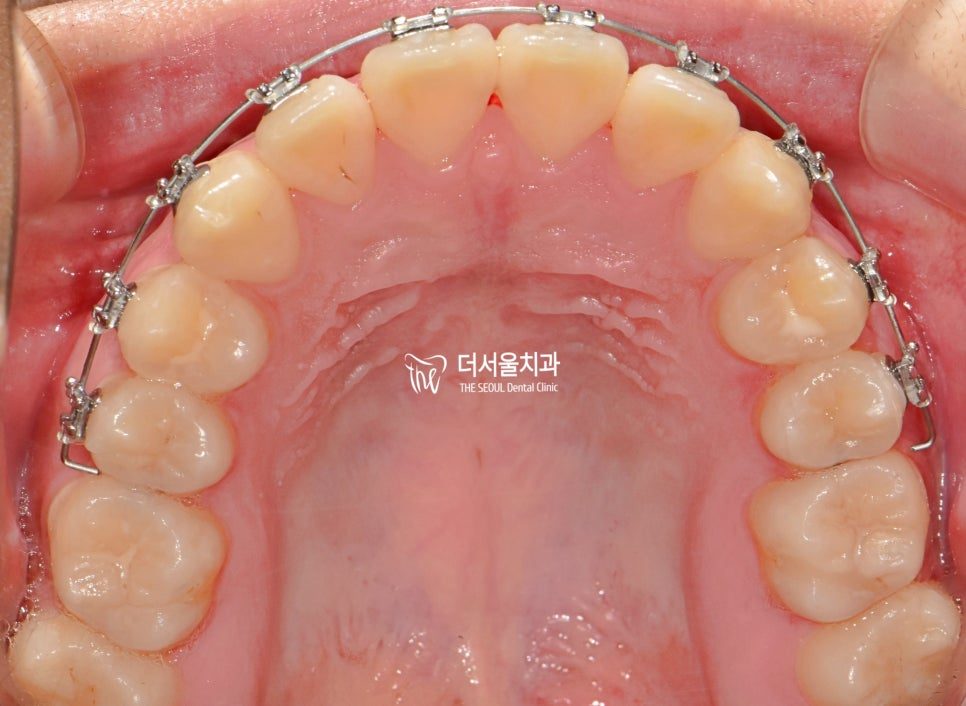
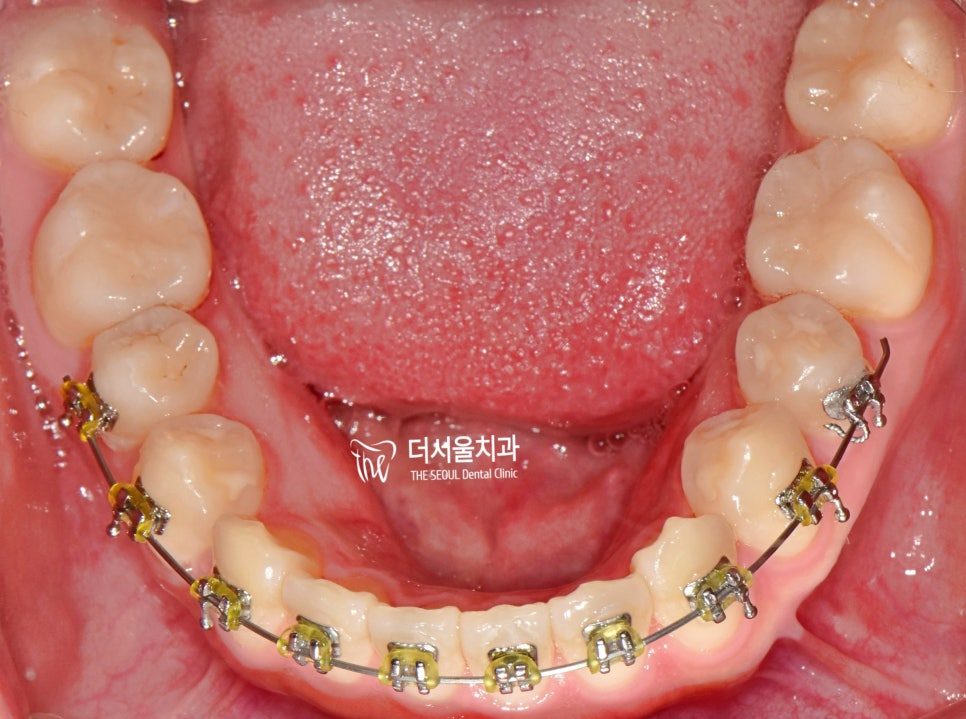
Treatment was converted to brackets and wire, which move teeth without depending on what happens after each meal. The correction finished with the midline coincident and the crossbitten tooth in normal occlusion, but the elapsed time was just over two years for a plan written for 140 days.
How many visits does each appliance need?
Aligner patients are typically reviewed every six to ten weeks, with several trays handed over to cover the interval. Fixed-brace patients are usually seen every four to eight weeks, plus unscheduled visits when a bracket debonds or a wire end needs trimming. For anyone on a fixed posting or travelling regularly, those unscheduled visits are the part to plan around: a loose bracket does not wait for the next appointment.
What decides the cost of each?
Aligners are priced in tiers according to how much movement the plan covers: a limited tier for partial alignment, as used here, costs less than a comprehensive tier written for a complex full-arch correction. Fixed braces are priced mainly by bracket type and expected treatment length.
Neither appliance is automatically the cheaper one: a small correction in a limited aligner tier can come in below full fixed treatment, and a complex case can run the other way. Published ranges for both are on the pricing page, and the only figure that means anything is the one quoted after an examination.
Which one to ask about first
- If you already know you will not keep a removable appliance in for 20 hours a day, ask about fixed braces — the appliance removes the variable.
- If you cannot attend every month because of work, travel or a limited stay in Korea, ask about clear aligners, because trays can be issued in batches.
- If the problem is one or two teeth rather than the whole arch, ask whether a limited aligner tier covers it before pricing a full course of either.
- If an aligner course has already stalled, ask about converting to fixed appliances rather than restarting from a new scan.
None of this is decided from a photograph: the movement required is measured from a scan and radiographs, and individual response varies.
Frequently asked questions
Is one of them faster?
Neither is inherently faster; planned duration follows the amount of movement required. What differs is how they respond to imperfect wear — a fixed appliance keeps working, while an aligner plan stops advancing and has to be re-planned.
Can treatment switch from aligners to braces partway through?
Yes, and it is a routine decision. In the case described here the conversion was made once it was clear the trays were not being worn, and the correction was completed with brackets and wire.
What happens if I leave Korea for a few months during treatment?
With aligners, several trays can be issued in advance to cover the absence. With fixed braces the practical risk is a bracket coming loose while you are away, which needs attention locally rather than waiting.
Do aligners hurt less than braces?
Both move teeth by applying force, and pressure is felt for a day or two after each tray change or wire adjustment. What aligners avoid is the irritation specific to fixed appliances — wire ends, and brackets rubbing the inside of the lip. Sensitivity varies between individuals.